EV Charging Without a Service Upgrade: How EVEMS Changes the Game
A building owner wants 50 EV chargers. The utility says the service upgrade will cost $180,000. Here's how EVEMS technology lets you install those chargers on your existing electrical service - legally and safely.
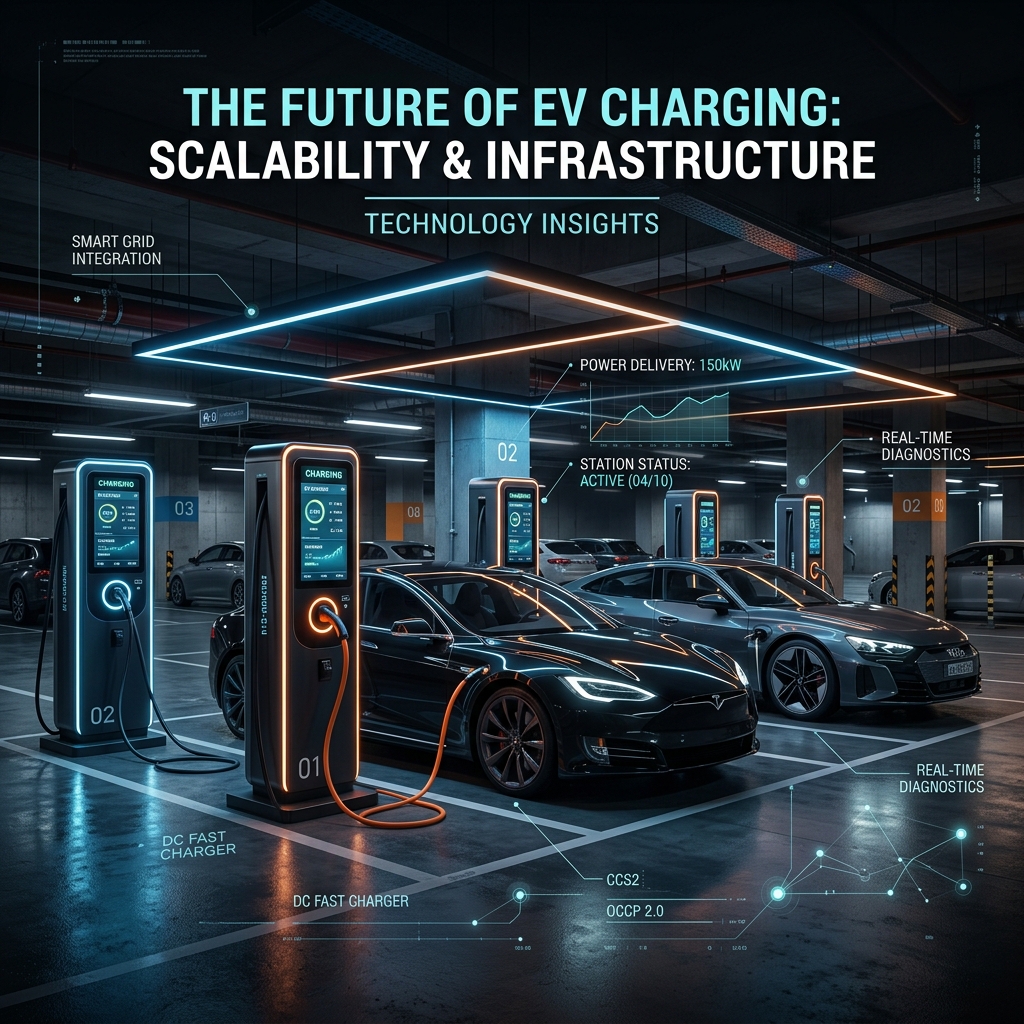
The Problem: EV Load vs. Existing Capacity
The transition to electric mobility has placed unprecedented strain on existing building electrical systems. A standard Level 2 EV charger typically requires a 40A dedicated circuit at 208V/240V. Under standard CEC load calculation rules (Section 8), EV chargers are classified as continuous loads - meaning the full nameplate rating must be added to the service calculation at 100%.
The math is brutal. If a condo board wants to install 20 Level 2 chargers at 40A each:
20 chargers - 40A - 208V = 166 kVA of additional demand
That's roughly equivalent to adding an entire second building to your electrical service.
For existing buildings, upgrading a main service from 600A to 1200A - or upgrading the utility transformer - routinely costs $100,000 to $300,000 and takes 6-18 months of utility lead time. This is the wall that kills most retrofit EV projects before they start.
The Solution: CEC Section 86 & EVEMS
The Canadian Electrical Code (CEC) Section 86 explicitly recognizes a smarter approach: the Electric Vehicle Energy Management System (EVEMS). An EVEMS is a networked controller that monitors total building load in real-time and dynamically throttles EV charger output to keep the total demand within the existing service capacity.
CEC Rule 8-106(11) & Section 86-300: When an EVEMS guarantees that total EV load will never exceed a defined threshold, the engineer can use the EVEMS-managed capacity - not the raw charger nameplate - in the service calculation.
How Power Sharing Works
Instead of providing 40A continuously to 20 cars (800A total), an EVEMS might be fed from a single 200A panel. The system dynamically distributes available capacity:
| Cars Plugged In | Available per Charger | Charge Rate | Total Panel Load |
|---|---|---|---|
| 1 | 40A | Full speed (9.6 kW) | 40A |
| 5 | 40A each | Full speed | 200A |
| 10 | 20A each | Half speed (4.8 kW) | 200A |
| 20 | 10A each | Quarter speed (2.4 kW) | 200A |
Overnight - when most charging happens - cars finish sequentially. As each vehicle reaches 100%, the system redistributes its share to the remaining vehicles. By morning, all 20 cars are typically fully charged.
Charger Types: Level 1, Level 2, and DCFC
| Parameter | Level 1 (120V) | Level 2 (208/240V) | DCFC (480V) |
|---|---|---|---|
| Typical Circuit | 15A / 120V | 40A / 208V | 100-400A / 480V |
| Charge Rate | 1.4 kW | 7.7-9.6 kW | 50-350 kW |
| Range per Hour | ~5 km | ~30-40 km | ~300+ km |
| Full Charge Time | 40-60 hours | 4-8 hours | 20-60 minutes |
| Best Application | Workplace trickle | Condos, commercial | Public fast charging |
| EVEMS Compatible | Limited | Yes - ideal | Requires integration |
Design Considerations for New Builds
Even when chargers aren't installed on day one, smart engineering during construction saves enormous costs later:
- "EV Ready" conduit: Run empty conduits from the electrical room to parking stalls during the concrete pour - retrofitting conduit later costs 5-10" more
- Panel capacity: Allocate physical breaker space and spare distribution capacity for future EVEMS panels
- Network infrastructure: EVEMS systems require robust Wi-Fi or cellular connectivity in the parking garage for cloud-based load management and billing
- Metering strategy: Decide early whether chargers will be individually metered (tenant billing) or bulk-metered (common area cost)
Cost Comparison: Service Upgrade vs. EVEMS
| Approach | Typical Cost | Timeline | Chargers Supported |
|---|---|---|---|
| Utility service upgrade (600A-1200A) | $150,000-$300,000 | 12-18 months | 20-30 dedicated |
| EVEMS on existing service | $25,000 - $60,000 | 4-8 weeks | 20-50 managed |
| Hybrid (partial upgrade + EVEMS) | $60,000 - $120,000 | 6-10 months | 30-60 managed |
Common Engineering Mistakes
- Treating each charger as a dedicated 40A load - EVEMS eliminates this requirement under CEC Section 86
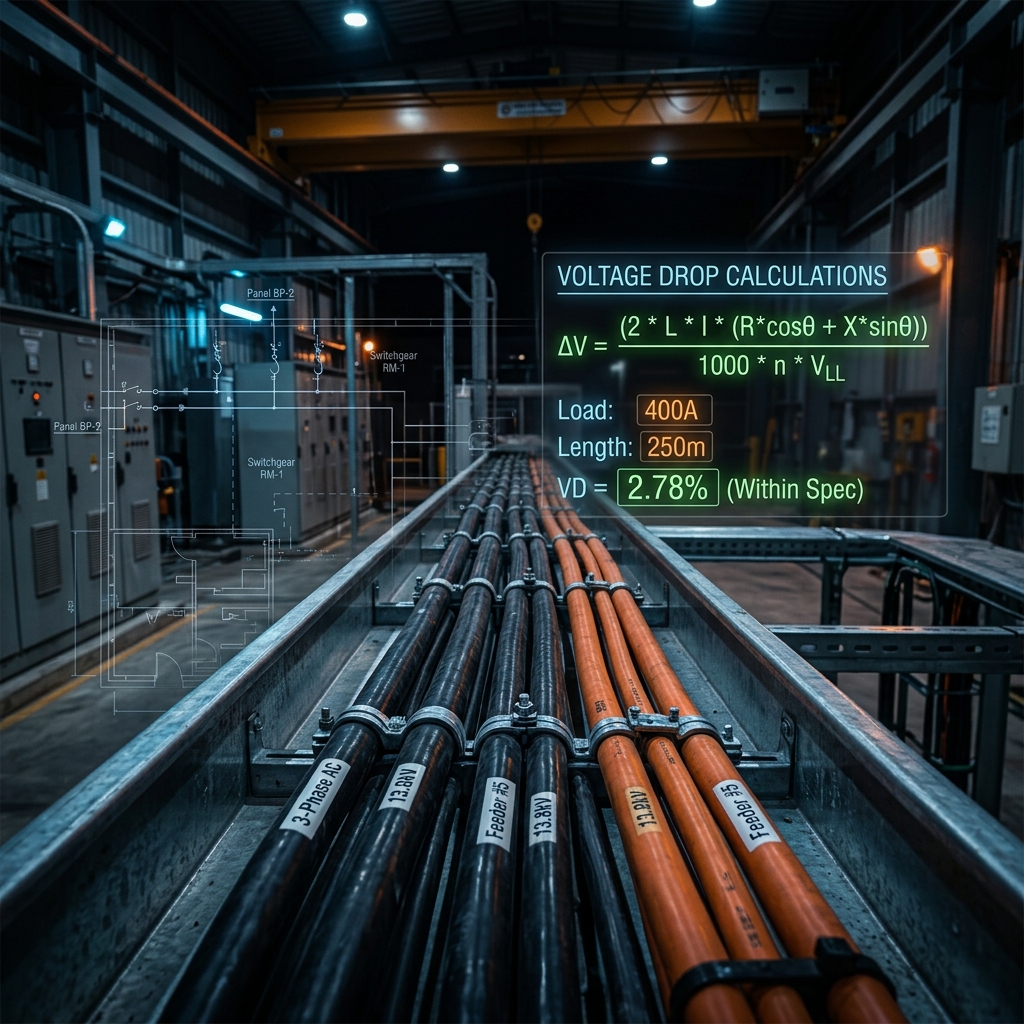
- Ignoring conductor voltage drop - long runs to underground parking often exceed the 5% limit
- Not future-proofing conduit - the cost of adding conduit after the slab is poured is astronomical
- Specifying non-networked chargers - dumb chargers can't participate in load management
Frequently Asked Questions
What is EVEMS?
Load management per CEC Section 86. Shares capacity among chargers. See our load calculation guide.
Level 1 vs Level 2 vs DCFC?
Level 1: 1.4kW. Level 2: 7-19kW. DCFC: 50-350kW. See our voltage drop guide for long runs.
Is a service upgrade needed?
Not always. EVEMS can reduce load by up to 50%, often eliminating the $50K-$200K upgrade cost.
Download the EV Infrastructure Checklist
Get our pre-construction checklist for EV-ready buildings - conduit sizing, panel allocation, and EVEMS specification requirements.
Planning an EV Retrofit?
ETEM Engineering specializes in EVEMS load studies and CEC Section 86 compliance. We design systems that maximize charger counts on existing electrical services - without the six-figure utility upgrade.
Get a Free Consultation